Terrazzo Flooring Cost in India: Price Per Sq Ft. & Complete 2026 Guide
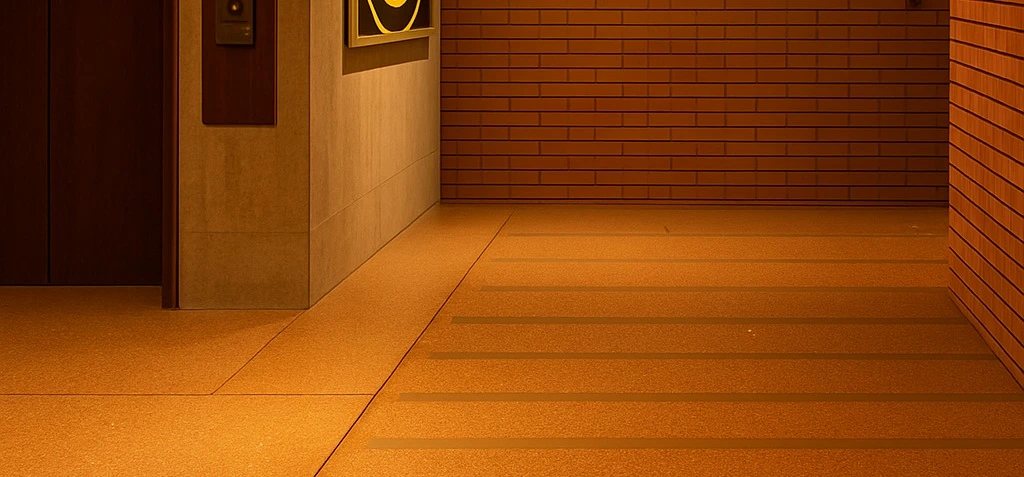
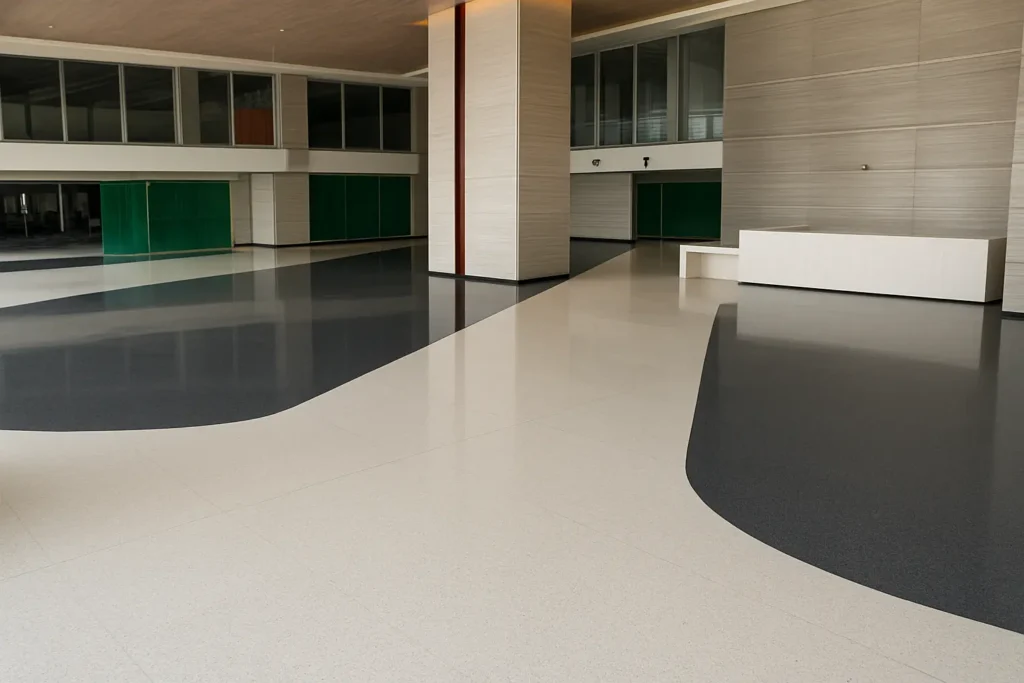

The cost of terrazzo flooring in India depends on the type of flooring system, choice of aggregates, floor thickness, design, surface condition, total area, and site requirements. Different terrazzo flooring options have different material, installation, and finishing costs, which is why market rates can vary significantly from one project to another. Precast terrazzo tiles, cement-based terrazzo, and epoxy terrazzo each have their own installation methods and material requirements. Custom designs, premium aggregates, and additional surface preparation can also affect the overall cost.
Understanding these factors can help you compare flooring options and choose a solution that suits your project’s design, performance requirements, and budget. At ACI, we offer terrazzo flooring solutions for different project needs. Contact our team for a customised quotation based on your site conditions and specifications. To learn more about the available systems, explore our terrazzo flooring solutions page.
How Much Does Terrazzo Flooring Cost in India?
The cost of terrazzo flooring in India depends on several factors, including the type of terrazzo system, choice of aggregates and colours, design complexity, surface area, site conditions, and installation requirements. Standard terrazzo flooring may be more economical than customised designs with premium marble chips, special patterns, or unique finishes. The overall cost also depends on surface preparation, labour, polishing, and the quality of materials used. At ACI, we provide terrazzo flooring solutions tailored to your project’s design, functional needs, and budget. For accurate pricing based on your space, material selection, and installation requirements, contact ACI for a customised terrazzo flooring quotation.
These are indicative market ranges compiled from publicly available Indian pricing sources. They are not ACI’s project pricing. They exist to help you understand the landscape before you request a quotation, not to replace one.

Factors That Affect Terrazzo Flooring Cost
Terrazzo cost is built from several independent factors. Understanding each explains why two quotes for the same floor area can look nothing alike.
1. The system you specify
Cement terrazzo uses a cement-based binder with marble, stone or other aggregates. It is poured thicker, which means more material and more time in curing and grinding.
Epoxy terrazzo uses a resin binder. It goes down in a much thinner layer, allows finer aggregate control and sharper colour definition, and cures faster. The resin itself costs more than cement.
Neither is universally cheaper. The right choice follows the performance need, the design intent and the site conditions.
2. Aggregate selection
The aggregate is the decorative material suspended in the binder: marble chips, glass aggregate, mother of pearl, quartz, other stone, and recycled aggregates. Type, size and blend all affect both appearance and execution. A single-aggregate mix is more straightforward than a multi-aggregate custom blend using unusual materials.
3. Thickness
Thickness governs how much material goes in and how much grinding is needed to expose and level the aggregate. Thicker cement systems suit floors facing heavy use over decades. Thinner epoxy systems suit renovations where floor build-up height is constrained.
4. Design and pattern complexity
This is the single biggest swing factor:
- Custom colours and colour blending
- Multiple aggregates in one pour
- Patterns, medallions and borders
- Brass, zinc or other metal divider strips used decoratively
- Logos and bespoke motifs
- Transitions between terrazzo zones
A single-colour floor with standard divider strips and a custom pattern with brass inlays and an embedded logo are not the same job, and will not carry the same price.
5. Substrate condition
Terrazzo goes onto a prepared substrate. An uneven, cracked or damp existing floor needs work before anything can be poured.
Substrate is the most common reason a real quotation differs from a generic market figure. A sound, level base costs less to build on than one needing significant levelling or repair.
6. Grinding and polishing
Once cured, terrazzo is ground in stages to expose the aggregate, then polished to the specified sheen and sealed. This stage is labour and equipment intensive. It is a meaningful part of the installed cost, not an optional extra, and it is what produces the finish terrazzo is chosen for.
7. Project size
Mobilising equipment and skilled applicators is largely a fixed cost spread across the floor area. Larger projects generally carry that overhead more efficiently per sq ft than very small ones. How much varies by project.
8. Location and site logistics
Material transport, site access and local conditions all feed into the final figure. An upper floor of a high-rise is a different proposition from a ground-level site, and a metro location with clear access is easier to plan than a remote or constrained one.
Cement vs epoxy terrazzo: which works out higher?
There is no single answer. It depends on the specification.
|
Factor |
||
|
Binder |
Cement-based |
Resin (epoxy) |
|
Typical thickness |
Thicker pour |
Thinner, low-profile |
|
Appearance |
Traditional, slightly more textured |
Sharper colour clarity, glass-like finish possible |
|
Customisation |
Wide aggregate and colour choice |
Fine aggregate control, vivid custom colours |
|
Typical use |
Large floor areas, interiors and some exterior use |
Interiors needing a thin, seamless, high-clarity finish |
|
Performance |
Very durable, long service life, can be re-ground and re-polished |
Fast curing, chemical resistance, suits demanding interiors |
|
Main cost drivers |
Aggregate mix, thickness, grinding time |
Resin cost, colour customisation, surface preparation |
Choose between them on application, substrate, design intent and performance requirement. Not on an assumption about which is cheaper.
What a terrazzo quote should include
Two quotes showing the same price per sq ft can cover very different scopes. A complete quotation addresses:
- Terrazzo system, cement or epoxy
- Aggregate type, size and quantity
- Substrate preparation and repair
- On-site installation and cast-in-situ pouring
- Divider strips and decorative inlays
- Curing time and process
- Grinding, single or multiple stages
- Polishing to the specified finish
- Sealing
- Transportation and site logistics
- Design customisation and pattern work
- Protection of adjacent finished areas
Comparing two quotes on the headline rate alone is misleading if one includes substrate repair, grinding and sealing and the other does not. Ask what is in, and what is out, before comparing anything.
How customisation changes the numbers
Custom terrazzo costs more than a standard single-colour, single-aggregate specification. The variables:
- Colour beyond standard binder tones
- Aggregate: glass, mother of pearl, quartz or unusual stone
- Chip size: finer or coarser, for different visual effects
- Patterns and borders: geometric layouts, zone transitions
- Logos and motifs: brand marks embedded in the floor
- Brass or metal inlays: decorative or functional
- Finish level: honed through to high gloss
Each adds design planning, more precise execution and usually more site time. This is also why terrazzo appeals to architects and designers: it is built to a brief rather than selected from a catalogue.
What changes by project type
Different project types shift the cost drivers, not just the floor area.
1. Residential
Smaller floor areas mean mobilisation is spread across less space, which pushes the per-sq-ft rate up relative to large projects. Access in occupied homes adds handling constraints. Colour matching to existing interiors is the usual design priority.
2. Luxury homes and villas
Design complexity, not area, is the swing factor here. Custom palettes, bespoke patterns and premium aggregates like glass or mother of pearl are common, because terrazzo is being specified as an architectural statement.
3. Corporate offices
Large, uniform floor areas give the most efficient per-sq-ft economics of any project type. The premium usually sits in one place: logo and brand-colour work in lobbies and reception zones.
4. Hotels and hospitality
Programme drives cost more than specification. Fixed opening dates often mean phased work, restricted working hours or night shifts, and that compression is what moves the number.
5. Retail
Custom pigment matching to brand colour is the main cost addition, applied across relatively small footprints that carry mobilisation less efficiently.
6. Institutional and public projects
Typically the lowest per-sq-ft outcome. Large areas, standard aggregates, durability prioritised over bespoke design, and simple repeating layouts.
7. High-traffic commercial
Specification upgrades drive the cost here. Greater thickness and a harder-wearing finish are chosen to handle continuous use without frequent refinishing.
Why installation quality decides what you actually pay
Terrazzo is not laid like tile. It is built on site through a sequence, and each step affects the lifespan of the floor:
- Substrate preparation — the base must be sound, level and correctly prepared
- Material consistency — binder-to-aggregate ratio controlled so the floor performs and reads consistently
- Aggregate distribution — unevenness shows visibly once ground and polished
- Application technique — pouring, levelling and setting divider strips or inlays
- Curing — adequate time before grinding begins
- Grinding — staged, to expose aggregate evenly without damaging it
- Polishing — determines final sheen
- Sealing — protects the finished surface
- Quality control — consistency, flatness and finish checked throughout
Any weak point shows up later as uneven finish, inconsistent colour or premature wear. A cheaper quote that skips staged grinding or shortens curing produces a floor that costs more over its life, not less.
ACI manufactures its terrazzo materials in-house and applies them cast-in-situ using its own trained applicators rather than subcontracted labour. On a system where installation quality and material quality are inseparable, keeping both under one accountable process is the point.
How to get an accurate estimate
A generic per-sq-ft figure cannot price your project. Have this ready:
- Location — city and site accessibility
- Approximate area in sq ft
- Project type — residential, corporate, hospitality, retail, institutional
- New build or renovation — this drives substrate preparation
- Preferred system, if known — cement or epoxy
- Colour — standard or custom
- Aggregate preference — marble, glass, quartz, mother of pearl
- Design requirements — borders, logos, inlays, multi-zone layouts
- Required finish — level of polish and sheen
- Substrate information — existing floor condition and known issues
- Timeline — critical for hospitality and retail openings
Is terrazzo worth the investment?
Terrazzo is a long-term investment rather than a short-term budget choice:
- Durability — a well-installed floor is built for decades of use
- Seamless surface — no grout lines to collect dirt or stain
- Low maintenance — simpler day-to-day care than porous natural stone
- Refinishing — can usually be re-ground and re-polished rather than replaced
- Design flexibility — colour, aggregate and pattern tailored to a specific vision
- Architectural value — specified in premium projects because it reads as a considered choice
Whether it is worth it depends on the budget, the use of the space and how long you plan to hold the building. Where long-term durability and a distinctive finish matter more than the lowest upfront figure, terrazzo deserves serious evaluation. You can see completed installations in our project portfolio.
Frequently ASKED Questions (FAQs)
1. How much does terrazzo flooring cost per sq ft?
It depends on the system, aggregate, thickness, design complexity and site condition. Reported Indian market ranges run from under ₹100 for precast tiles to ₹450 or more for premium cast-in-situ cement or epoxy terrazzo.
2. What affects terrazzo flooring cost?
The system (cement or epoxy), aggregate choice, thickness, design and pattern complexity, substrate condition, project size, and site location and logistics.
3. Is cement terrazzo cheaper than epoxy terrazzo?
Not necessarily. Cement uses more material because of its thicker pour. Epoxy uses a costlier resin in a thinner application. Which works out lower depends on the specification, not the system type.
4. Does custom terrazzo cost more?
Usually yes. Custom colours, aggregate blends, patterns, logos and inlays require more design planning and more precise execution than a standard single-colour floor.
5. Is terrazzo flooring expensive?
It costs more than basic tiling but sits below many premium natural stone and bespoke architectural finishes. It is a mid-to-premium system, usually judged against its lifespan and low maintenance rather than against budget flooring.
6. Is terrazzo flooring cheaper than tiles?
Basic ceramic and vitrified tiles are cheaper to buy and lay, since they are mass-manufactured and quick to install. Terrazzo involves on-site mixing, curing, grinding and polishing. The trade-off is a seamless floor with no grout lines that can be refinished rather than replaced.
7. How much does terrazzo installation cost?
Installation is not quoted separately from material, because the two are inseparable in a cast-in-situ system. A quotation covers substrate preparation, pouring, curing, grinding, polishing and sealing as one scope.
ACI is a leading company specializing in decorative concrete solutions, offering innovative products and finishes for modern architectural and flooring applications.
Contact Us
Office Address:
Seawoods Nexus, L&T Tower 2, D 602/603, Navi Mumbai- 400706
© 2026 Artcrete India Pvt. Ltd. All rights reserved
• Privacy / Terms / Disclaimer •