
Outdoor flooring plays an important role in the appearance and use of gardens, patios, balconies, terraces, and walkways. The right flooring should handle changing weather, regular foot traffic, and exposure to water without requiring constant repairs. Pebble flooring outdoor is one option that combines natural stone with a textured finish for outdoor spaces.
Pebble flooring uses small natural stones to create a decorative surface. Depending on the design, the stones may be fixed with cement, installed as pebble tiles, or combined with a suitable resin. Each method offers different benefits and requires proper installation.
This guide explains the types of outdoor pebble flooring, its benefits, suitable applications, installation process, and maintenance requirements.
What Is Pebble Flooring Outdoor?
Pebble flooring outdoor is a type of flooring made with small, rounded or irregular natural stones. These stones are arranged over a prepared base and secured using materials such as cement mortar, grout, or resin, depending on the flooring system.
The stones come in different colours, sizes, shapes, and finishes. Common colours include white, grey, black, brown, beige, and mixed earth tones. These options allow homeowners and landscape designers to match the flooring with garden plants, exterior walls, outdoor furniture, and other landscape features.
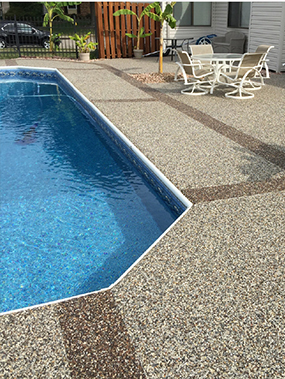
Outdoor pebble flooring can be installed in garden pathways, patios, courtyards, balconies, terraces, and selected areas around swimming pools. The most suitable type depends on the location, drainage requirements, expected foot traffic, and available budget.
Before selecting a design, the property owner should decide whether the surface needs to support regular walking, occasional use, or heavier loads.
Types of Outdoor Pebble Flooring
Different pebble flooring systems suit different outdoor spaces. Understanding their construction helps property owners choose the right option.
1. Natural Pebble Flooring
Natural pebble flooring uses stones collected from natural sources and selected for their colour, shape, and size. The stones are usually fixed into a prepared mortar bed or arranged in a suitable outdoor flooring system.
This type of flooring works well in garden paths, courtyards, and landscape areas. Its natural colour variations create a stone pattern without the repeated design found in many manufactured tiles.
However, the final surface depends on the size and arrangement of the stones. Large, uneven pebbles can make walking uncomfortable, so flatter stones are often more suitable for frequently used pathways.
2. Pebble Tile Flooring
Pebble tiles contain small stones attached to mesh-backed sheets or arranged as individual tile units. These tiles are installed over a prepared surface using suitable adhesive and grout.
They are useful for smaller outdoor areas where installers need a consistent layout. Pebble tiles can also help create decorative borders and patterns around planting areas.
For outdoor use, the tiles, adhesive, grout, and sealant must be suitable for the local weather conditions. Proper installation is important because rainwater can enter gaps if the joints and underlying surface are not finished correctly.
3. Resin-Bound Pebble Flooring
Resin-bound pebble flooring combines selected aggregates with a suitable resin binder. The mixture is spread over a prepared base to create a continuous surface with visible stones.
This system is often considered for patios, garden paths, courtyards, and some poolside areas. Depending on the product and installation method, it may allow water to pass through the surface.
The base must still provide suitable drainage. Resin-bound flooring also requires a binder designed for outdoor exposure, especially in areas that receive strong sunlight.
4. Exposed Aggregate Flooring
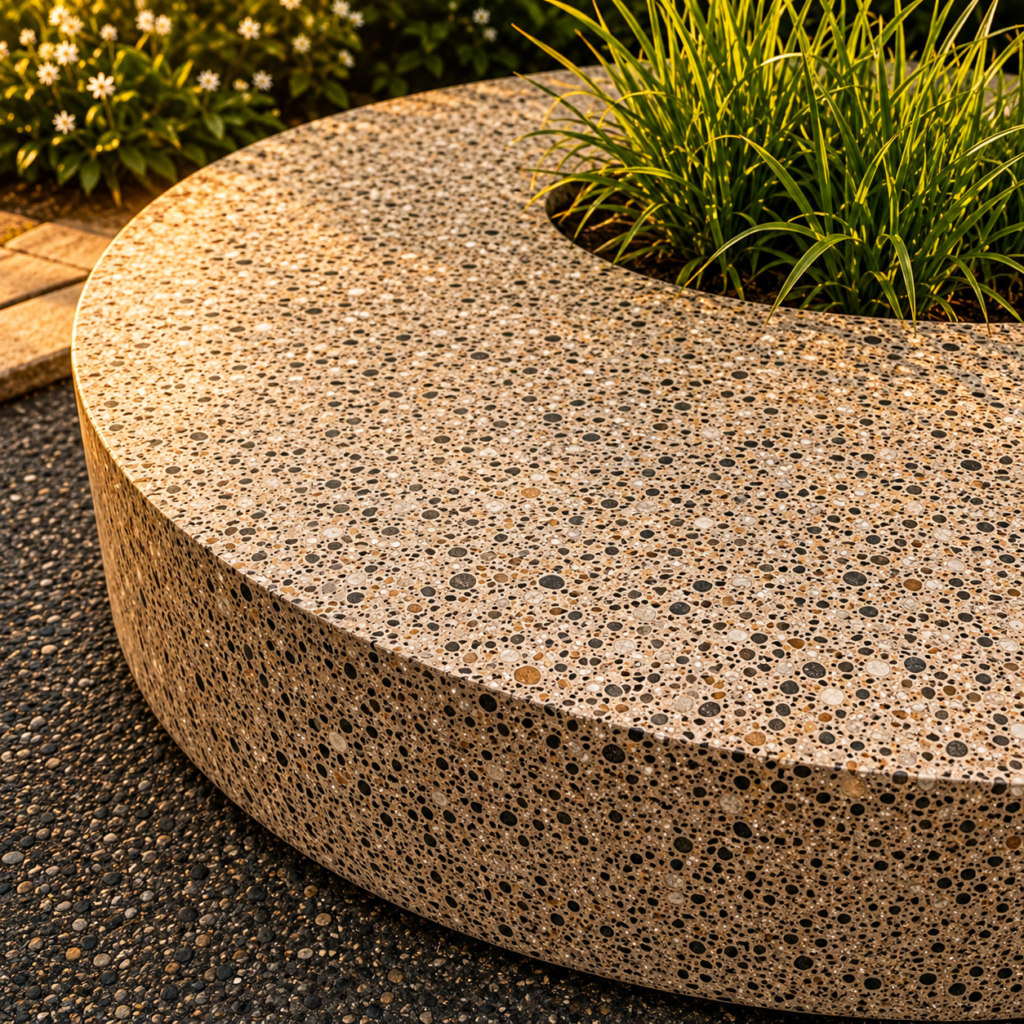
Exposed aggregate flooring uses concrete mixed with decorative stones. The surface is treated to reveal the stones before the concrete fully finishes curing.
This method creates a textured, stone-filled appearance and is suitable for certain outdoor paths, courtyards, driveways, and other areas designed for regular use.
Its strength depends on the concrete mix, stone selection, surface preparation, and installation quality. It should not be confused with loose decorative pebbles or resin-bound flooring because the construction methods are different.
Benefits of Pebble Flooring Outdoor
Pebble flooring offers several practical advantages when the right materials and installation method are selected.
1. Natural Appearance
One of the main reasons people choose pebble flooring is its natural stone finish. The variation in stone colour and shape creates a surface that works well with gardens, lawns, wooden furniture, stone walls, and outdoor plants.
White and beige pebbles can create a light appearance, while grey and black stones can suit modern exterior designs. Mixed-colour pebbles are another option for spaces with several natural materials.
2. Suitable for Different Outdoor Areas
Pebble flooring can be used in several parts of a property. It can define a garden pathway, create a decorative courtyard, or provide a textured finish for a patio.
It can also be used around selected water features and outdoor seating areas. The flooring system must match the intended use, as a decorative pebble bed is not the same as a stable walking surface.
3. Multiple Design Choices
Pebble flooring is available in different stone sizes, colours, and patterns. Installers can use a single colour for a simple finish or combine different shades to create borders and decorative sections.
For example, a garden pathway may use grey pebbles with a darker border. A courtyard may combine beige stones with concrete edging.
The design should also consider furniture placement, walking routes, drainage points, and access to garden areas.
4. Useful Surface Texture
The natural texture of pebbles can provide grip underfoot, but the level of slip resistance depends on the stone shape, surface finish, grout, resin, and installation quality.
A rough surface is not automatically slip-proof. Areas exposed to rain, algae, or standing water require careful material selection and drainage planning.
For poolside areas and outdoor steps, the finished surface should be assessed for wet slip resistance before installation.
5. Straightforward Routine Cleaning
Pebble flooring can be maintained with regular sweeping and washing. The amount of work required depends on the stone arrangement and the flooring system.
Resin-bound surfaces may collect leaves and dirt between the stones. Grouted pebble tiles can develop stains or algae in shaded, damp locations. Loose decorative pebbles may need occasional raking to restore an even layer.
A suitable cleaning routine helps prevent dirt from building up and keeps drainage routes clear.
Where Can Outdoor Pebble Flooring Be Used?
The best location for pebble flooring depends on the surface design and how people use the area.
Garden pathways: Pebble flooring can create defined walking routes between lawns, flower beds, and outdoor seating areas. A stable, even finish is important for regular walking.
Patios: Pebble flooring can provide a natural surface for outdoor chairs, tables, and small seating arrangements. The finish should be firm enough to support furniture without creating uneven contact points.
Balconies and terraces: Pebble finishes can add texture to outdoor living spaces. Before installation, the existing waterproofing, drainage outlets, and structural load limits should be checked. This is especially important for elevated terraces.
Courtyards: Pebble flooring can complement plants, outdoor lights, water features, and exterior walls. Different stone colours can separate seating areas from planting zones.
Poolside areas: Some pebble flooring systems are suitable for pool surrounds. The selected material must provide suitable wet slip resistance, resist water exposure, and remain comfortable for the intended use.
How Is Pebble Flooring Installed Outdoors?
Proper installation helps reduce loose stones, uneven surfaces, drainage problems, and premature damage.
Step 1: Prepare the Surface
The installer first checks the existing ground or concrete base. Loose material, dirt, vegetation, and damaged sections must be removed or repaired.
The base should be stable and suitable for the selected flooring system. A weak or uneven base can cause movement and cracking.
Step 2: Plan Drainage
Outdoor flooring needs a suitable route for rainwater. The installer should check the slope, drainage outlets, and surrounding ground before laying the stones.
On balconies and terraces, water must not collect near doors, walls, or drainage points. The existing waterproofing system should remain protected during installation.
Step 3: Select the Stones
The stones should match the required colour, size, and finish. Flatter stones may work better for walking areas, while larger or more irregular stones may be suitable for decorative sections.
For resin-bound flooring, the aggregate must meet the resin manufacturer’s requirements and be properly prepared before mixing.
Step 4: Apply the Fixing Material
The fixing method depends on the chosen flooring type. Pebble tiles require suitable adhesive and grout, while resin-bound flooring requires the correct aggregate-to-resin mixture.
Cement-based systems need proper bedding and finishing. Installers should follow the material manufacturer’s instructions rather than using one method for every type of pebble flooring.
Step 5: Finish and Cure the Surface
After laying the stones, the installer checks the surface for gaps, uneven areas, and loose material. The flooring must cure for the period specified by the manufacturer before it receives foot traffic or furniture.
The completed surface should be inspected for drainage, stability, and safe walking conditions.
How to Maintain Outdoor Pebble Flooring
Regular maintenance helps preserve the appearance and performance of pebble flooring.
- Sweep regularly: Remove dry leaves, dust, and loose debris before they collect between the stones.
- Wash when needed: Use water and a cleaner approved for the flooring material. Harsh chemicals may damage certain stones, grout, sealants, or resin binders.
- Check for loose stones: Repair loose or missing stones before the affected area becomes larger.
- Keep drainage clear: Remove dirt and leaves from nearby drains and outlets to prevent water from collecting.
- Inspect shaded areas: Damp corners may develop algae or moss. Clean these areas with a suitable product and correct the cause of persistent moisture.
- Check the sealant: Where sealing is required, follow the product manufacturer’s maintenance schedule.
Pressure washing should be used carefully. Excessive pressure or a nozzle held too close to the floor can damage grout or loosen stones.
Frequently Asked Questions About Pebble Flooring Outdoor
1. What is outdoor pebble flooring?
Outdoor pebble flooring is a flooring system made with small natural stones fixed to a prepared surface using cement, grout, or resin, depending on the installation method. It is commonly used in gardens, patios, courtyards, and walkways.
2. What are the benefits of outdoor pebble flooring?
Outdoor pebble flooring offers a natural stone appearance, different colour options, and a textured finish. It can suit gardens, patios, and pathways when the correct materials and installation methods are used.
3. Is pebble flooring suitable for outdoor areas?
Yes, pebble flooring can be suitable for outdoor areas such as garden paths, patios, courtyards, and selected terraces. The flooring system should be chosen according to weather exposure, drainage needs, foot traffic, and the condition of the base.
4. Is outdoor pebble flooring slippery when wet?
Outdoor pebble flooring can become slippery when wet, especially when algae or dirt builds up on the surface. Slip resistance depends on the stone shape, surface finish, grout, and installation method. Materials suitable for wet areas should be selected carefully.
5. Where can pebble flooring be installed?
Pebble flooring can be installed in garden pathways, patios, courtyards, outdoor seating areas, and selected poolside spaces. It can also be used on balconies and terraces when the structure, waterproofing, and drainage are suitable.
6. How is outdoor pebble flooring installed?
Installation starts with preparing a stable base and planning proper drainage. The pebbles are then installed using a suitable method, such as mortar, tile adhesive, or resin. The surface must be finished and allowed to cure according to the manufacturer’s instructions.